Pool heating
Heat pump pool heating, supplied and installed across Auckland.
Pool heat pump calculator
What size Heatpump do I need to heat my Pool?
How it is worked out
What decides the size
Surface area
A pool loses heat through its surface, so the shape and the length × width matter most. Depth sets how long the first heat-up takes.
Edges and features
An infinity edge or a waterfall keeps water moving through the air and needs more output.
The cover
Most heat leaves by evaporation. A cover that goes on every night lets a smaller unit do the job.
Temperature, season and wind
Each extra degree, winter swimming and an exposed site all need more from the heat pump.
A guide for an outdoor residential pool, set up for Auckland and Northland conditions. We confirm the model on site before quoting, especially for indoor pools and spas.
How your pool is heated
Swipe the diagram sideways to follow the full circuit →
Free heat from the air
The Heatpump unit pulls warmth from the air and lifts it to a comfortable water temperature.
Pool heated the same way
Pool water passes through the filter, then the heat pump's built-in exchanger, where it picks up heat without ever mixing.
The short version
Pool heating in Auckland — what you need to know
A pool heat pump takes heat out of the air and puts it into your pool. It returns about five units of heat for every unit of electricity it uses, which makes it roughly two and a half times cheaper to run than gas and about five times cheaper than an electric element.
For a normal Auckland back-garden pool that means somewhere around $2 to $3 a day to hold 28 °C in spring and autumn.
Fitted to an existing pool, most installations are a one-day job. The payback against gas is usually two to four seasons.
Swimming season
How much longer the swim season runs
An unheated Auckland pool is comfortable to swim in for about three months of the year. Heating extends the season.
Auckland, month by month
Swimming season: unheated and heated
Typical water temperature in an unheated Auckland pool, against the same pool held at 28 °C. Most people call 26 °C the point where a swim stops being a dare.
Unheated figures are typical for an open, uncovered Auckland pool. A shaded or exposed pool runs colder; a small, sheltered, covered pool runs warmer.
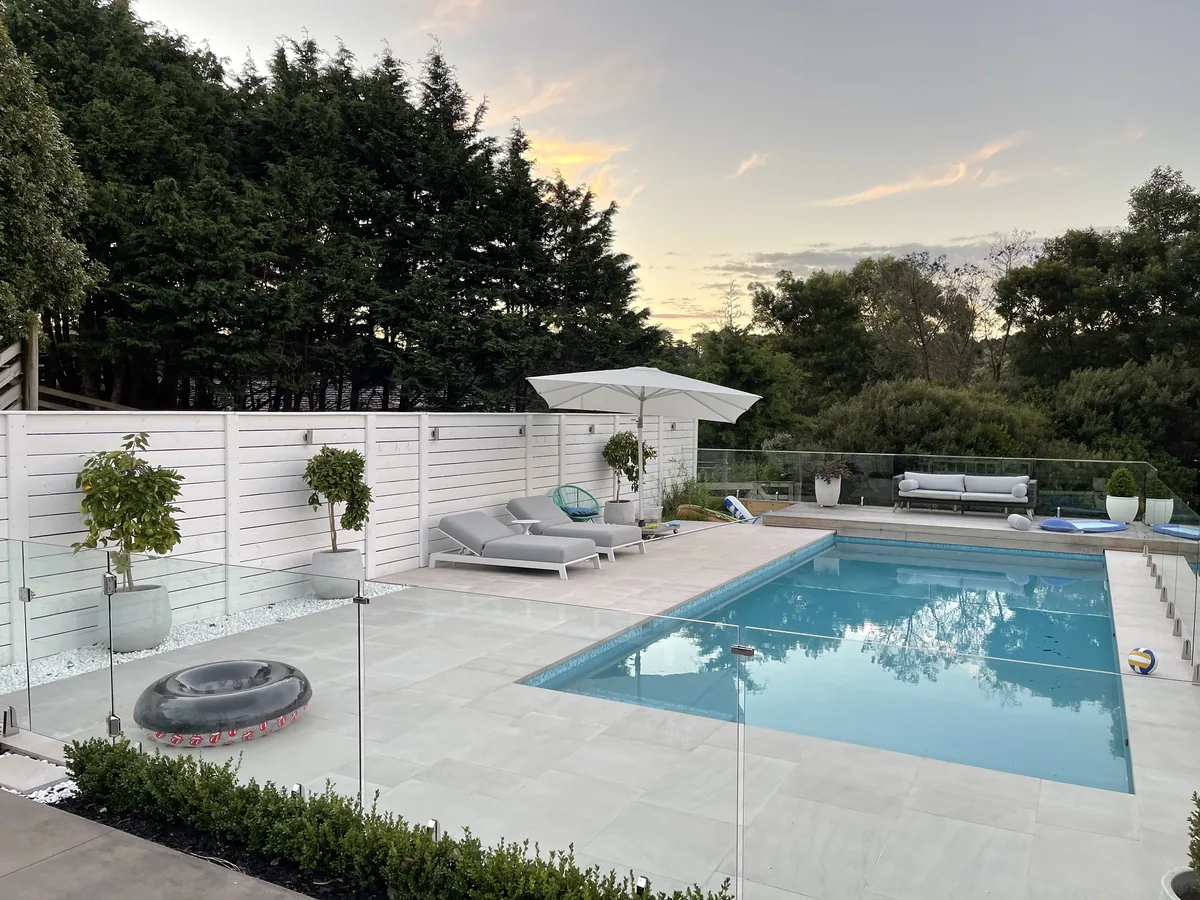
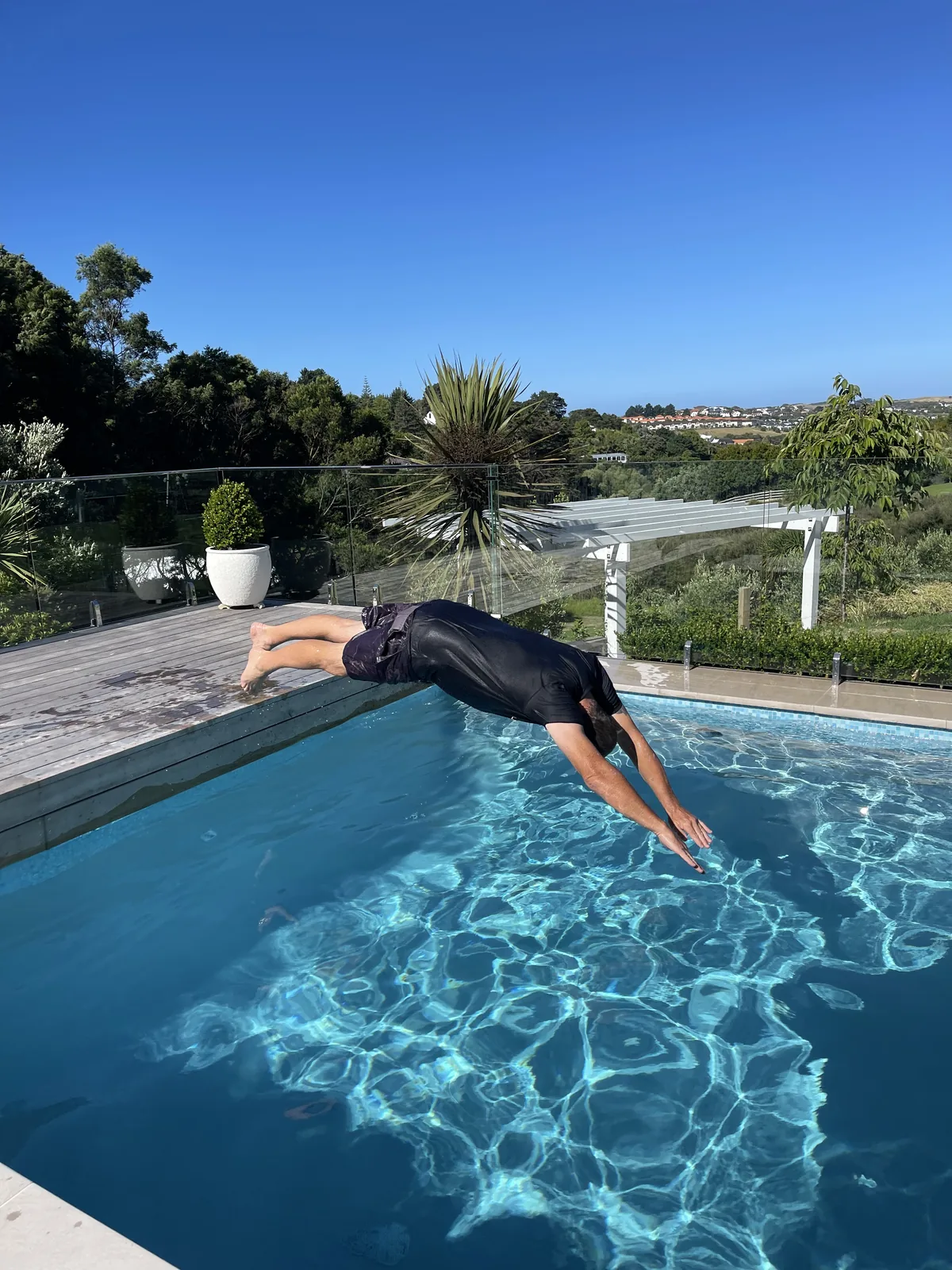
An Auckland pool heated by a Champion Heating — still in use in the evening, and well outside the three months an unheated pool gives you.
Our pool heat pumps
Click a unit to see its full specifications and download the spec sheet.
Performance Plus range — made in New Zealand
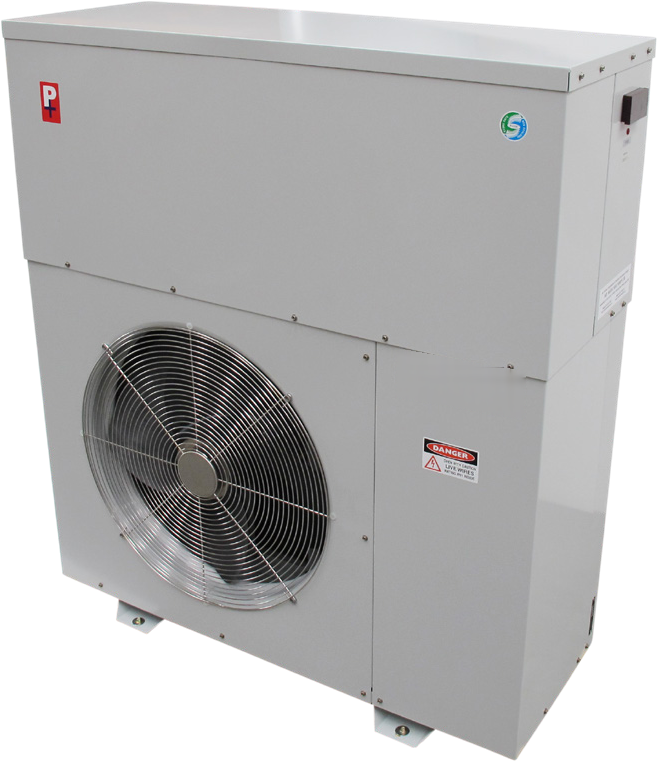 8GP11-111 kW · Single phasePools up to about 50 m²Specs →8GP15-115 kW · Single phasePools up to about 65 m²Specs →
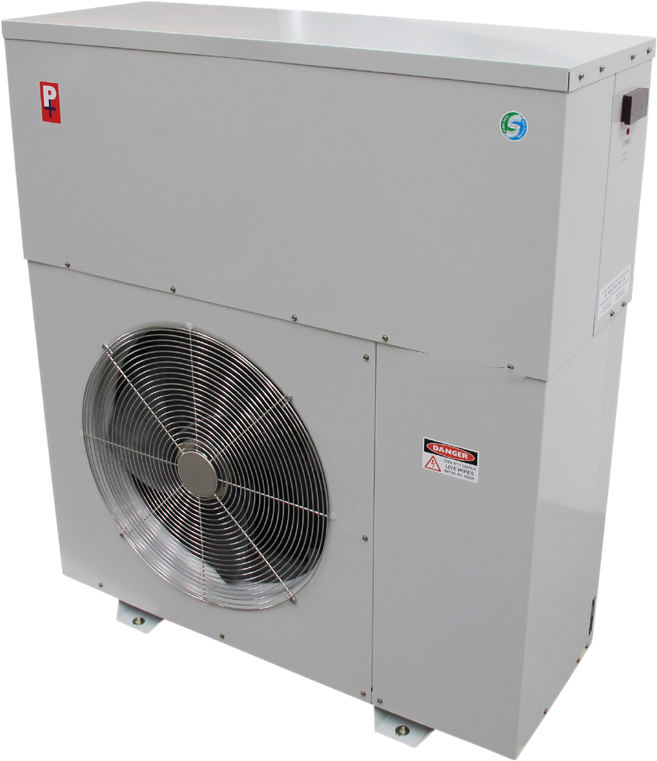 8GP18-118 kW · Single phasePools up to about 80 m²Specs →
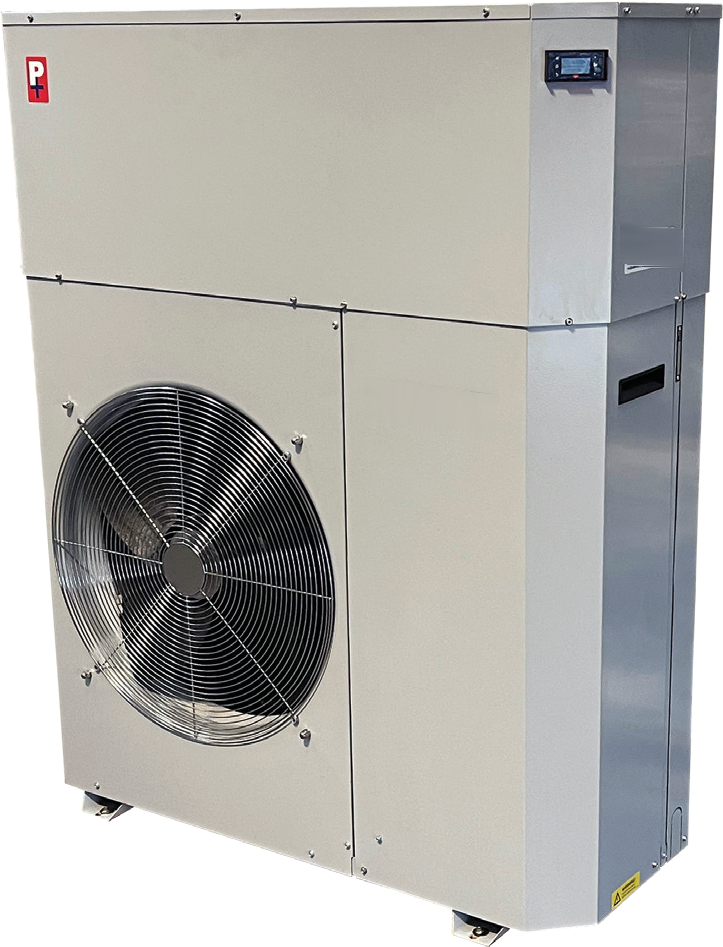 8GP24i-124 kW · Single phasePools up to about 110 m²Specs →
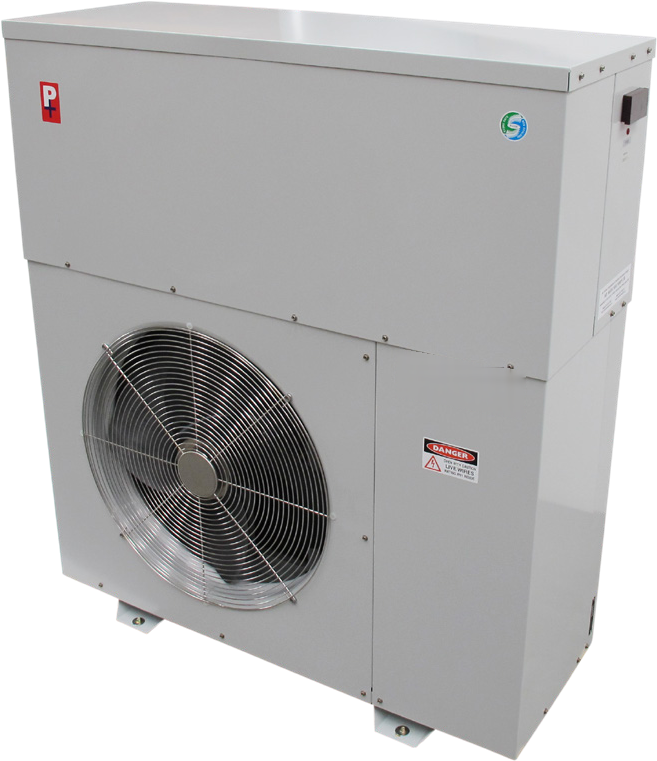 8GP18-318 kW · Three phasePools up to about 80 m²Specs →
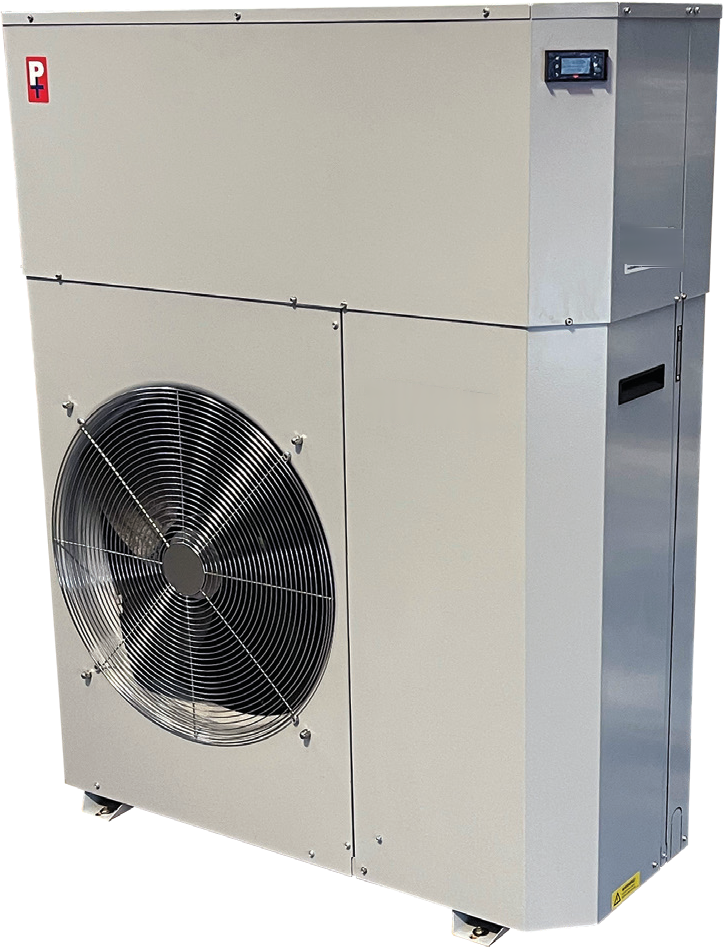 8GP24i-324 kW · Three phasePools up to about 110 m²Specs →
ThermoPlus range
Lighter, lower-cost units from 5.6 kW to 26 kW. Inverter models run quieter once the pool is warm.
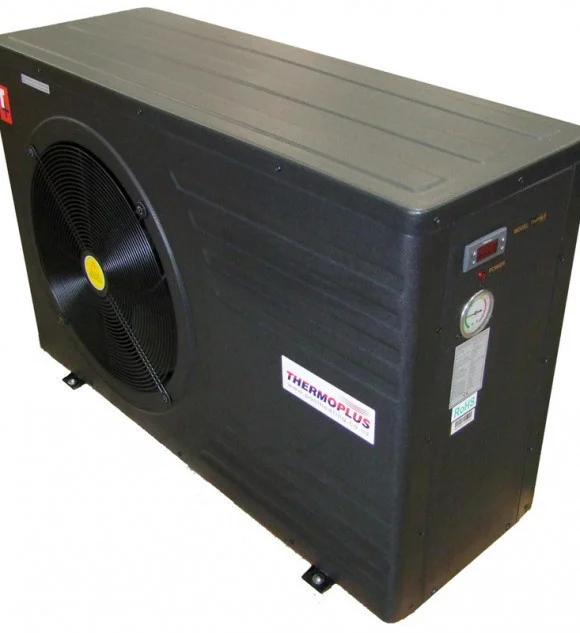 THP5-15.6 kW · Single phasePools up to about 25 m²Specs →THP7-17.8 kW · Single phasePools up to about 35 m²Specs →THP9-19.5 kW · Single phasePools up to about 40 m²Specs →THP12i-110 kW · Single phase · inverterPools up to about 45 m²Specs →THP12-112.5 kW · Single phasePools up to about 55 m²Specs →THP14-114 kW · Single phasePools up to about 60 m²Specs →THP17i-115 kW · Single phase · inverterPools up to about 65 m²Specs →THP17-117 kW · Single phasePools up to about 75 m²Specs →THP23i-121 kW · Single phase · inverterPools up to about 90 m²Specs →THP26-326 kW · Three phasePools up to about 115 m²Specs →
Time to upgrade or replace your pool heat pump?
If your existing unit is failing, underperforming, or you are not sure it is working properly, contact us. We will size a replacement and quote to replace it.
We can replace:
- Gas pool heaters, natural gas or LPG bottles. Usually a one-day swap using the existing pipework, running costs drop by around two thirds, and the daily gas charge goes with it.
- Old or failing pool heat pumps, any brand.
- Electric element pool heaters. A heat pump heats the same water for about a fifth of the power.
- Solar pool heating that is not keeping up in spring and autumn.
Straight answers
What people ask us about pool heating
How much does it cost to heat a pool in Auckland?
For a typical 8 × 4 m covered pool held at 28 °C, a heat pump costs roughly $2–$3 a day through the shoulder season and less in mid-summer. The same pool with no cover costs three to four times that, and the same pool on an electric element costs about five times that. Use the calculator above with your own pool size and power price — it is the honest way to answer this, because pool size, cover and target temperature change the answer far more than the brand of unit does.
How long does a pool heat pump take to warm the pool up?
From cold, allow two to four days for a normal domestic pool — a heat pump raises the whole body of water gradually. After that first heat-up it only has to replace what the pool loses overnight, which is a much smaller load. This is why pool heat pumps are left running through the season rather than switched on the morning you want to swim.
Is a pool heat pump cheaper to run than gas?
Yes, substantially. A gas boiler burns fuel to make heat and is around 90% efficient, so you always get slightly less heat than you paid for. A heat pump moves heat that is already in the air, and returns about five units of heat for every one unit of electricity. On current Auckland prices that works out roughly two and a half times cheaper to run, and there is no daily gas connection charge.
Do I need a pool cover?
For the heating to be cost-effective, yes. Most of the heat in a pool leaves through the surface by evaporation, and a cover stops about three quarters of it. A cover typically cuts running cost by two thirds and allows a smaller unit to be fitted.
What size heat pump do I need for my pool?
Surface area matters more than depth, because heat leaves through the surface. As a rough guide: up to about 65 m² a 15 kW unit, up to 80 m² an 18 kW, up to 110 m² a 24 kW. We can find the perfect unit to heat your pool. Exposure to wind, shade, whether there is a wet edge, and the temperature you want all shift it. The calculator on this page will get you close.
Can a pool heat pump heat my house as well?
Not the same unit at the same time, but the same idea can. If you are putting in hydronic underfloor heating, one correctly specified heat pump can run the underfloor through winter and the pool through summer — the two demands barely overlap in Auckland. That is one of the neatest things you can do on a new build, and we do a lot of them. See our pool and underfloor heating page.
How noisy is a pool heat pump?
The residential units run at about 53–56 dB(A) at three metres, which is roughly a conversation at the other end of a room. Siting matters more than the rating — against a boundary fence under a neighbour's bedroom window is a bad idea whatever the number says. We will tell you where it should go.
Can you replace my old gas pool heater with a heat pump?
Yes, and it is one of the most common jobs we do. The pipework already runs to the plant area and the pool already has a filtration circuit, so the swap is usually straightforward: remove the gas heater, set the heat pump on a level base, connect flow and return, run the electrical, and commission. Most are done in a day. The gas line is capped off and certified by a licensed gasfitter.
Will it work in winter?
It will run, but heating an outdoor pool through an Auckland winter is expensive with any heat source, because the air is cold and the pool loses heat all night. Heat pumps become less efficient as the air cools. The usual use is season extension — swimming from about September through to May — rather than year-round outdoor swimming. Indoor or fully enclosed pools are assessed separately.
Do I need a building consent?
For a straight heat pump installation on an existing pool, normally no. The electrical work must be done and certified by a registered electrician, and if we are removing gas the decommissioning must be done by a registered gasfitter. New pools and new plant rooms may have consent requirements of their own — your pool builder will usually be handling that.
What about salt water pools?
Yes. The heat exchangers in the units we fit are made for pool water, including salt chlorinated pools. Water chemistry matters: a pool badly out of balance will damage a heat exchanger, and that is not covered by warranty.
We are near the coast. Will it corrode?
Choose the unit and the location with the coast in mind: keep it out of direct salt spray where possible, rinse the casing down occasionally, and keep up the annual service. We will tell you if a position is likely to shorten the life of the unit.
How long do they last?
With balanced water and an annual service, expect fifteen years or more from a quality pool heat pump. The main causes of early failure are poor water chemistry, lack of servicing, and poor airflow around the unit.
Do you service pool heat pumps you did not install?
Yes. We service pool heating across Auckland regardless of who put it in, including units well out of warranty. If it can be repaired economically we will tell you; if it is past it we will tell you that too. See servicing and repairs.
Can you heat a spa or plunge pool?
Yes. A small body of water is quicker and cheaper to heat and holds temperature well under a cover. The same units run at a higher spa output rating.
Auckland-wide
Request a quote
Tell us your pool size and the months you want to swim, and we will tell you what is needed and what it costs to run. No obligation.