Heat pump based underfloor heating
THE ULTIMATE ENERGY EFFICIENT SOLUTION.
Heatpump based floor heating is one of the most energy efficient heating choices you can make. Warm water circulates through loops cast into your slab, turning the floor itself into a large, gentle radiator. The heatpump is situated outside the property.
Heat pumps for floor heating
Why a heat pump suits underfloor heating
Most of the underfloor systems we install run on an air-to-water heat pump. It takes warmth from the outside air and puts it into the water that circulates through the pipes in your slab. Underfloor heating only needs water at around 30–40 °C, which is where a heat pump works at its best.
Low water temperature, high efficiency
A radiator needs water at 60 °C or more. A heated slab needs about 30–40 °C. The lower the water temperature, the less work the heat pump does, so each unit of electricity gives you more heat.
One unit, outside
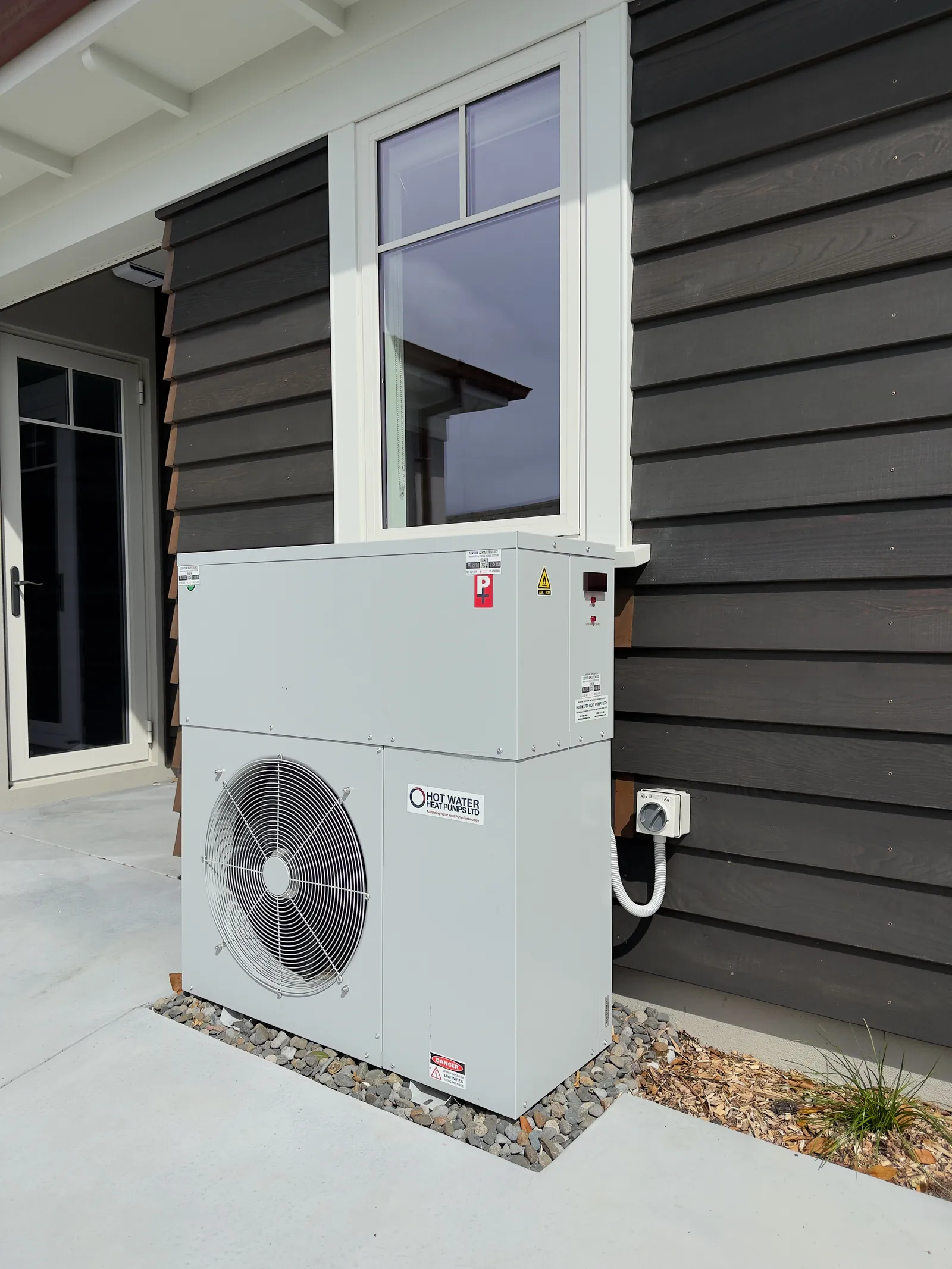
The heat pump sits outside on a level pad, usually beside the garage or down a side path. Inside there is only the manifold in a cupboard and a thermostat on the wall.
Sized to your home
We size the heat pump from your plans: floor area, insulation, glazing and the temperature you want to keep. We do the heat-loss sums before we quote, so the unit is not too big or too small.
Works through an Auckland winter
Air-to-water heat pumps keep working on cold, frosty mornings. The unit defrosts itself when it needs to, and the heat stored in the slab keeps the house warm while it does.
Floors, pool and hot water from one unit
The same heat pump can also heat your pool or your hot water, so one outdoor unit can serve two or three uses.
Made in New Zealand
Our main range is designed and made in New Zealand by Hot Water Heatpumps Ltd, with parts and support close to home.
How the system works
Swipe the diagram sideways to follow the full circuit →
Free heat from the air
The Heatpump unit pulls warmth from the air and lifts it to a comfortable water temperature.
Balanced at the manifold
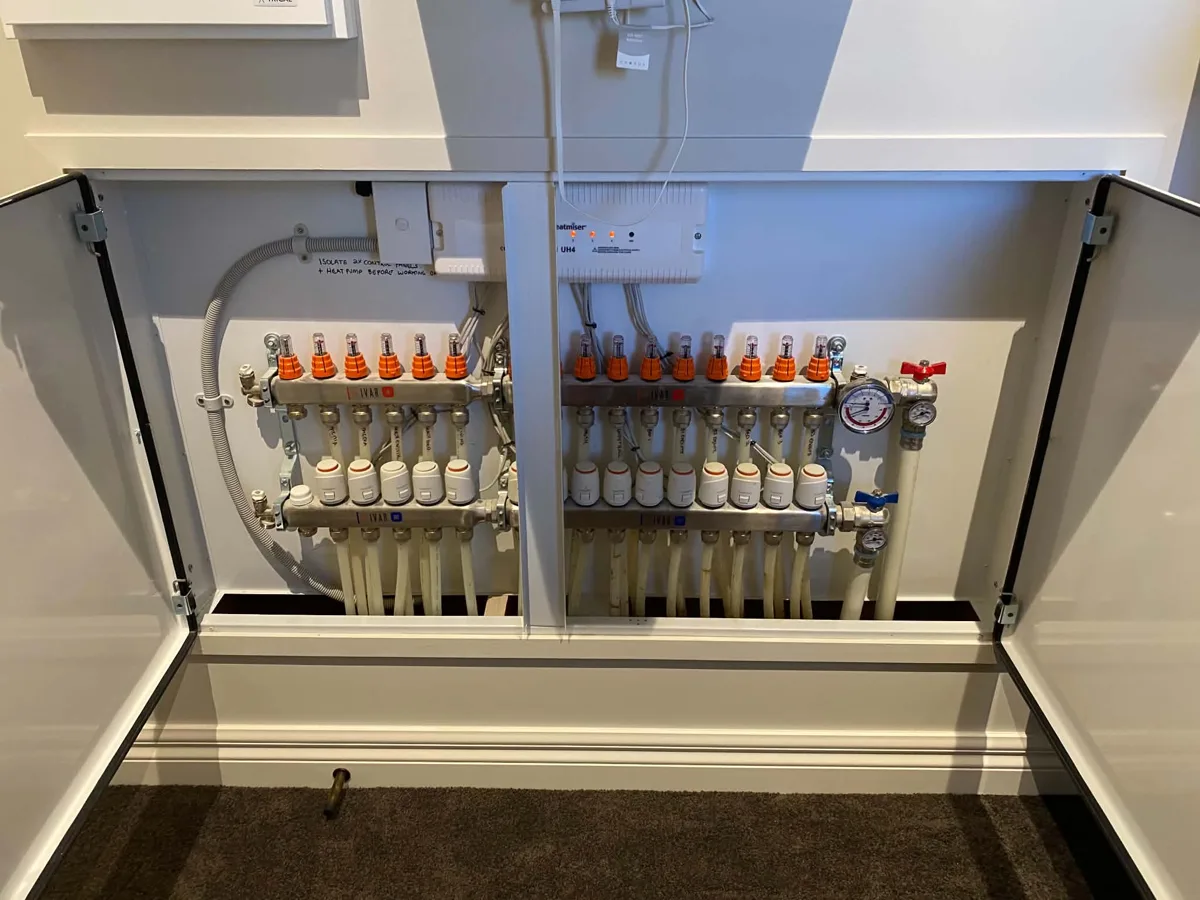
Flow and return pipes feed every loop. The Manifold is fitted inside a lockable neutral colour cabinet recessed into the wall normally in a Storage Cupboard
The whole floor radiates
Warm water circles through the slab and the floor itself becomes the heater — quiet and invisible.
Our underfloor heating heat pumps
Click a unit to see its full specifications and download the spec sheet.
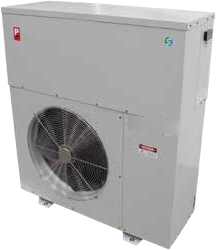 7GU8-18 kW · Single phaseU seriesSpecs →
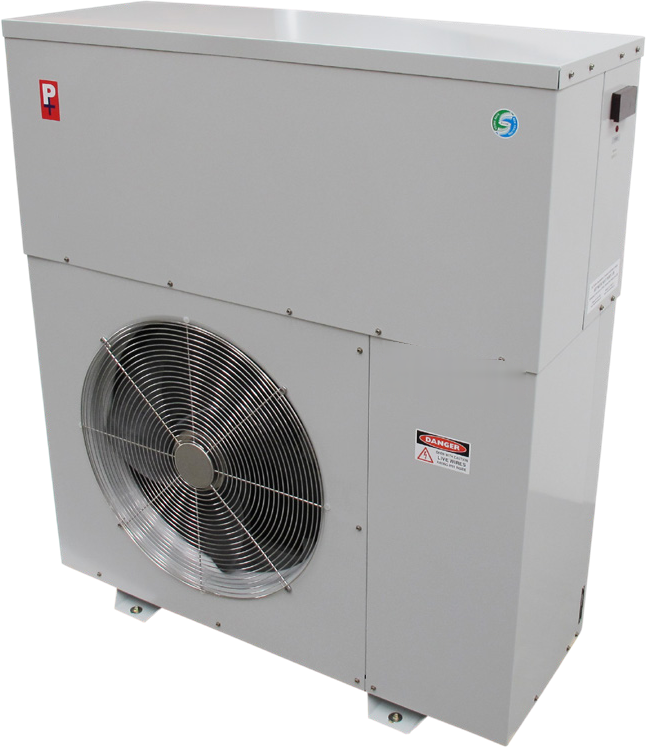 8GU10-110 kW · Single phaseU seriesSpecs →
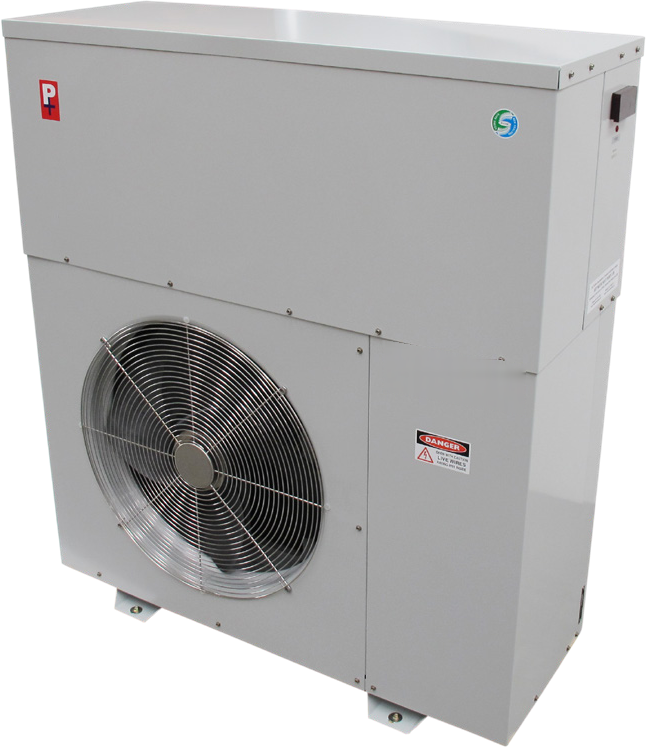 8GU12-112 kW · Single phaseU seriesSpecs →
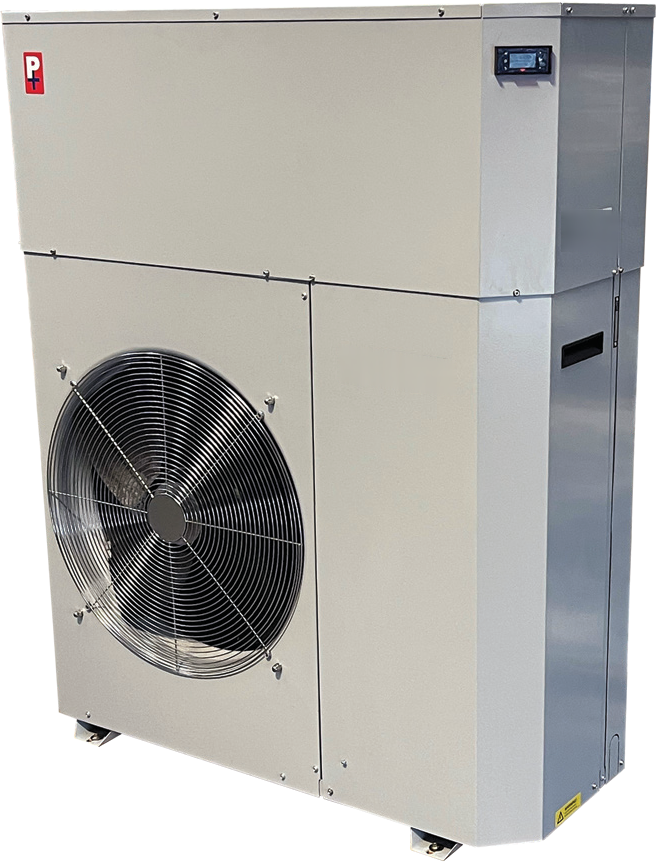 8GU17i-117 kW · Single phaseU seriesSpecs →
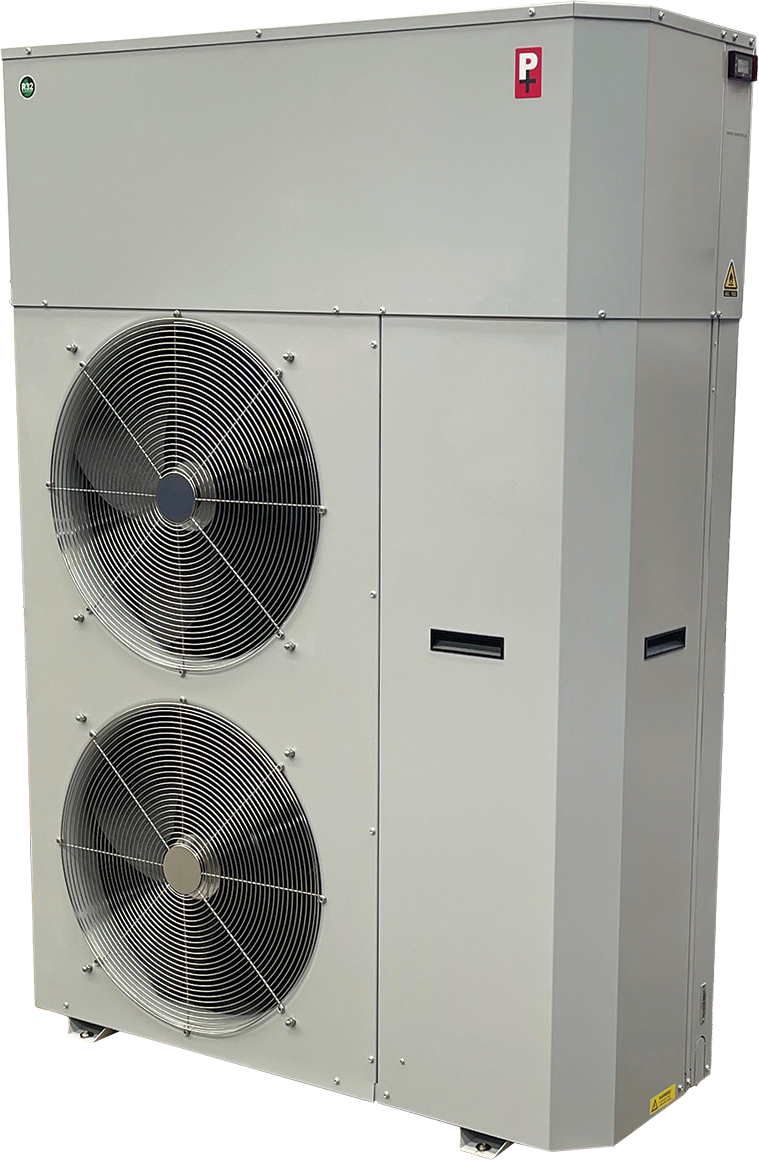 8GU25i-325 kW · Three phaseU seriesSpecs →
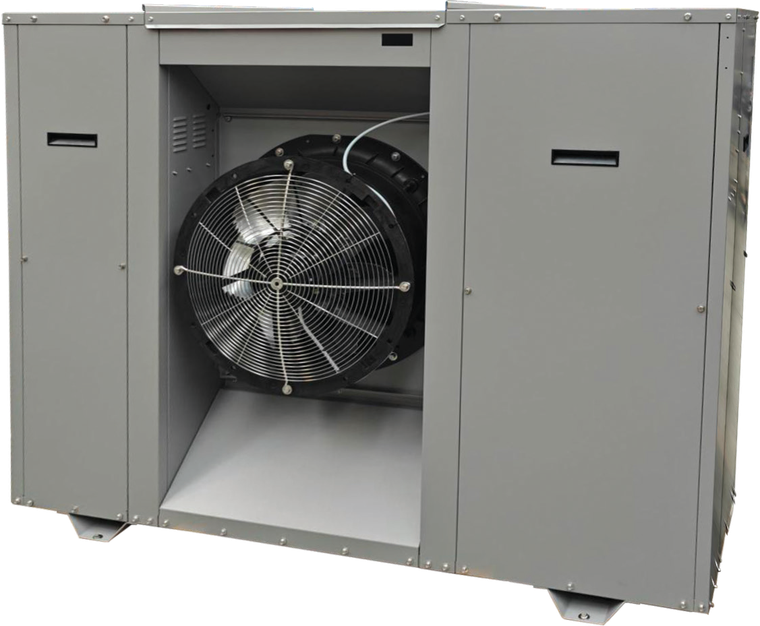 8GU28-328 kW · Three phaseU seriesSpecs →
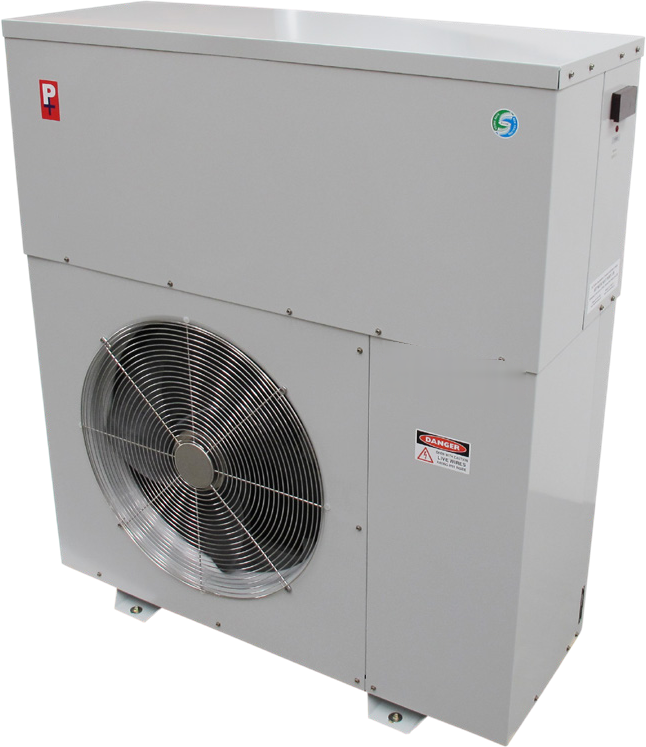 8GUb8-18 kW · Single phaseU-b seriesSpecs →
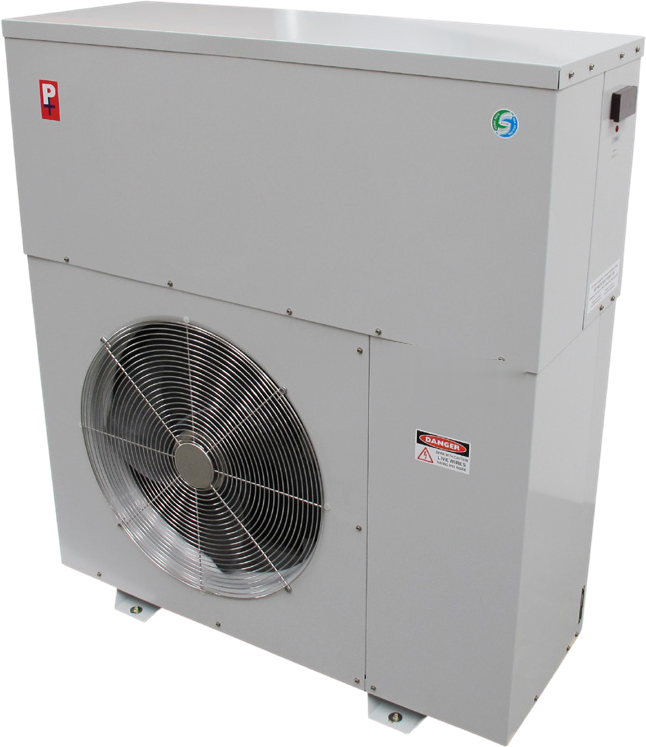 8GUb10-110 kW · Single phaseU-b seriesSpecs →
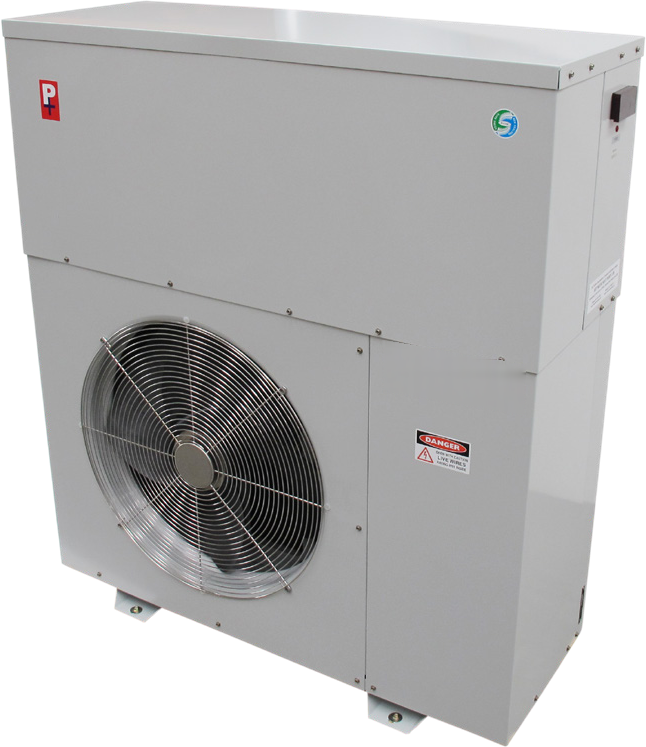 8GUb12-112 kW · Single phaseU-b seriesSpecs →
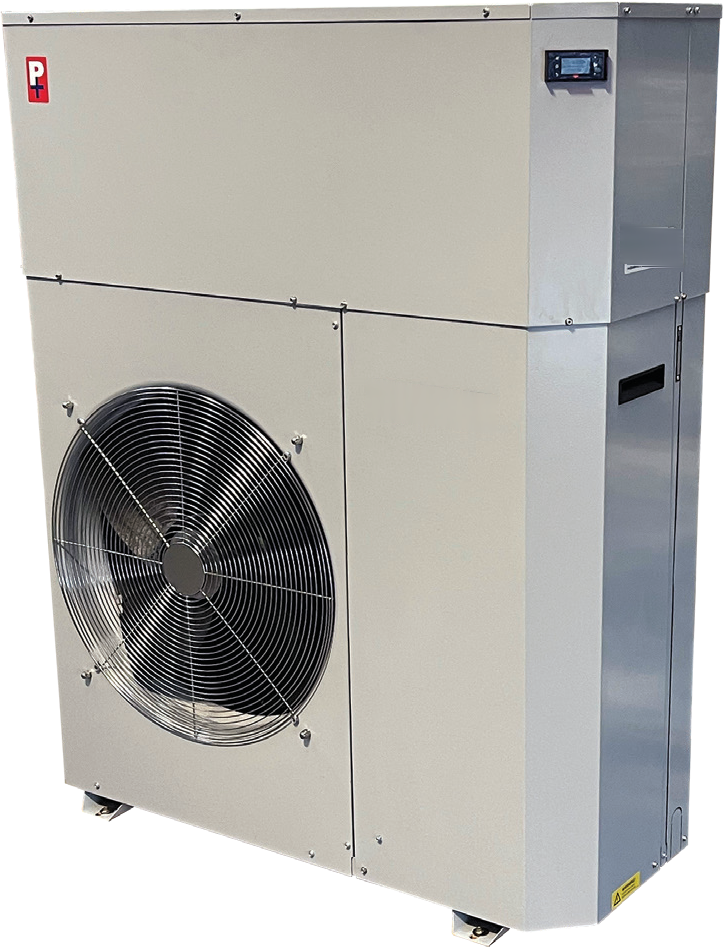 8GUb17i-117 kW · Single phaseU-b seriesSpecs →
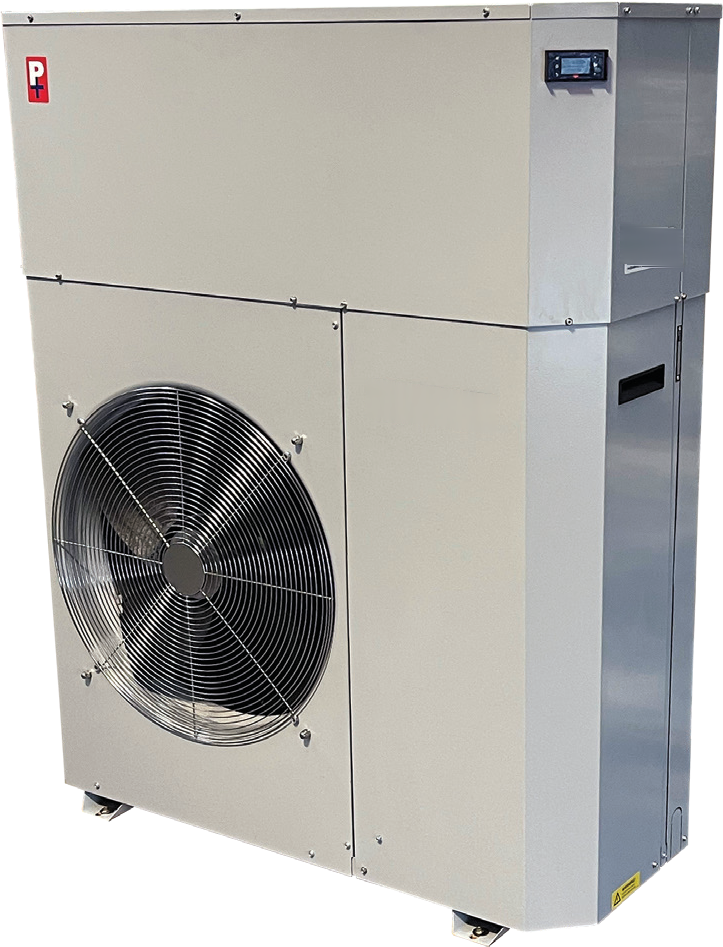 8GUb17i-317 kW · Three phaseU-b seriesSpecs →
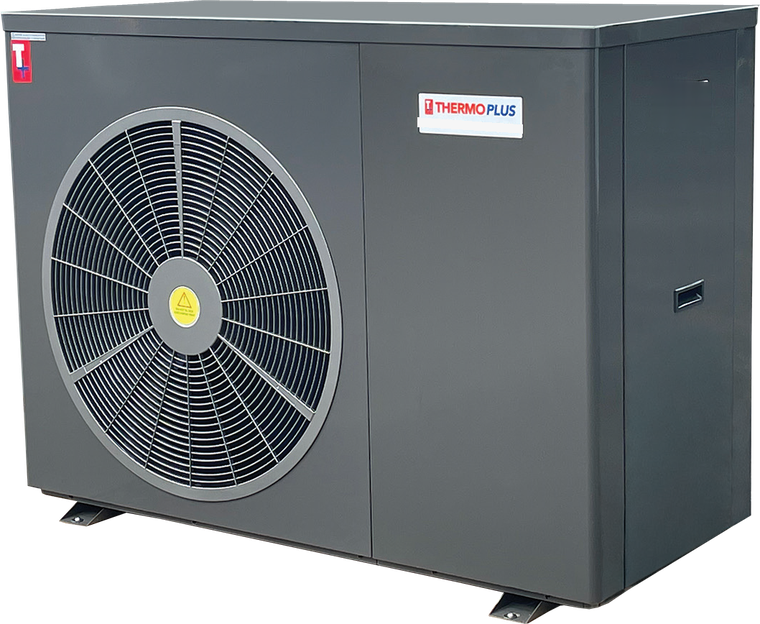 THD9i-19.3 kW · Single phaseThermoPlusSpecs →
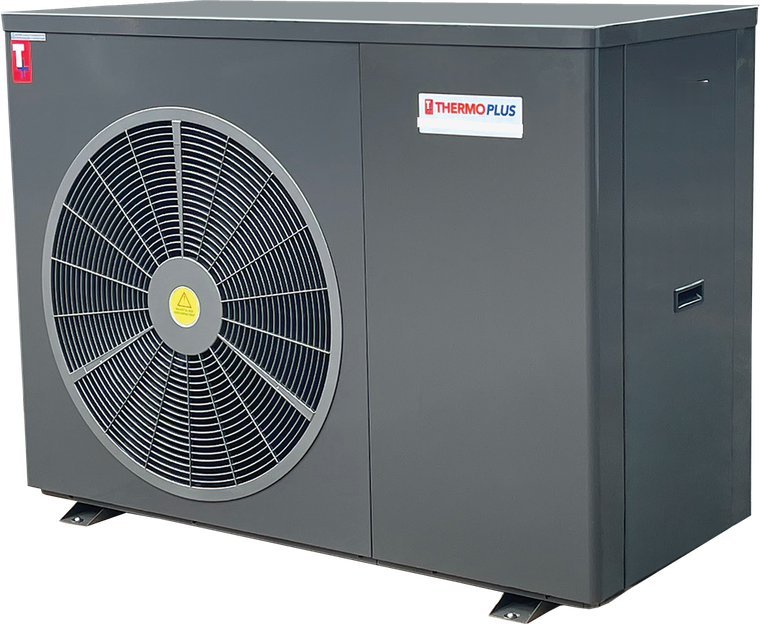 THD13i-113.8 kW · Single phaseThermoPlusSpecs →
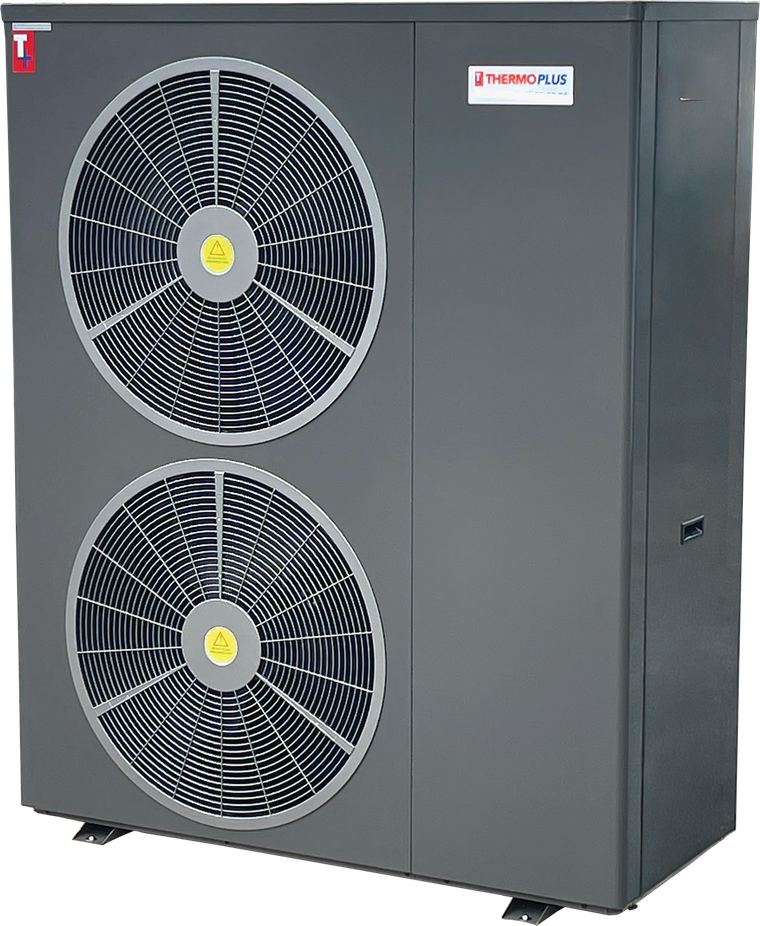 THD20i-119.4 kW · Single phaseThermoPlusSpecs →
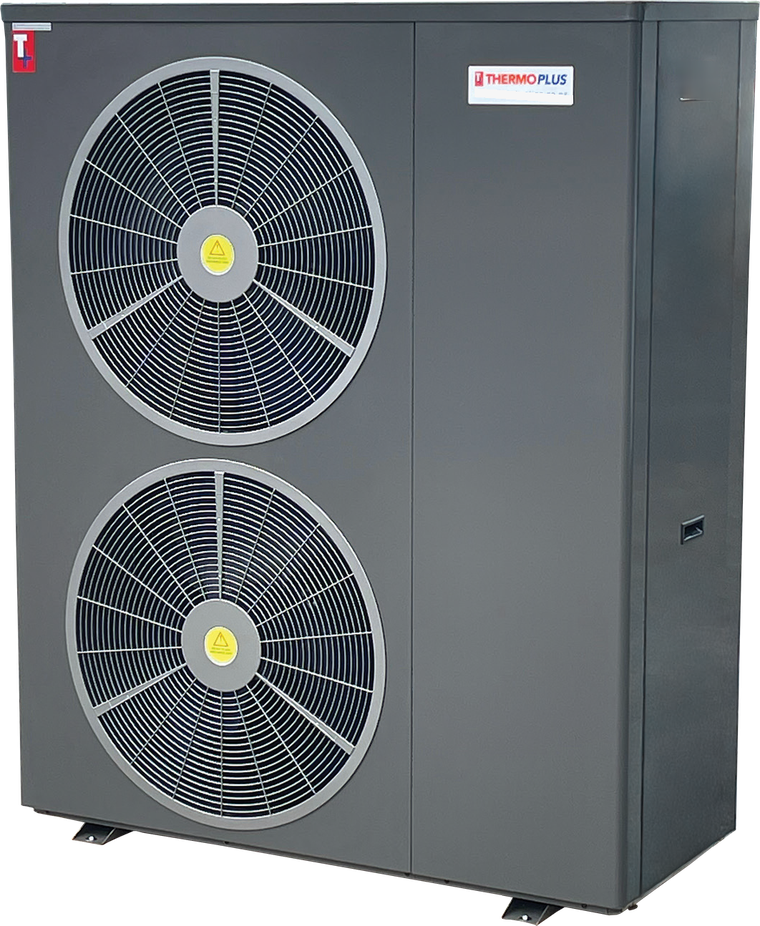 THD20i-320.0 kW · Three phaseThermoPlusSpecs →
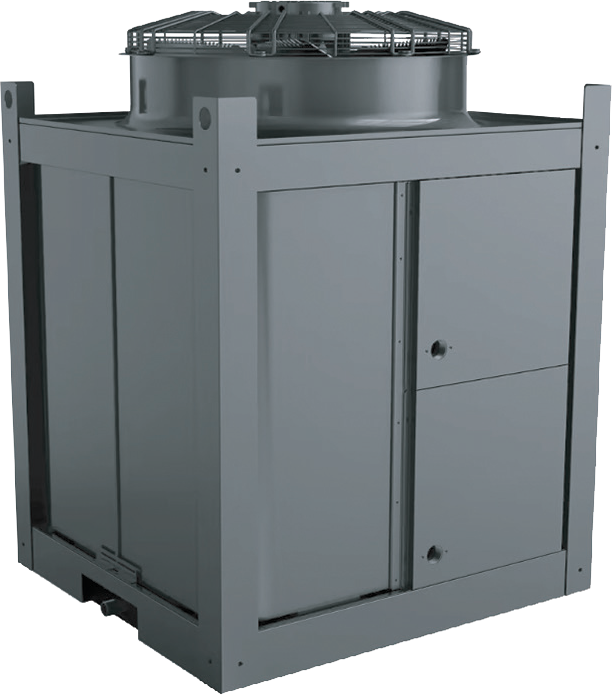 THD50i-3Three phaseThermoPlusSpecs →
Before and after the concrete pour
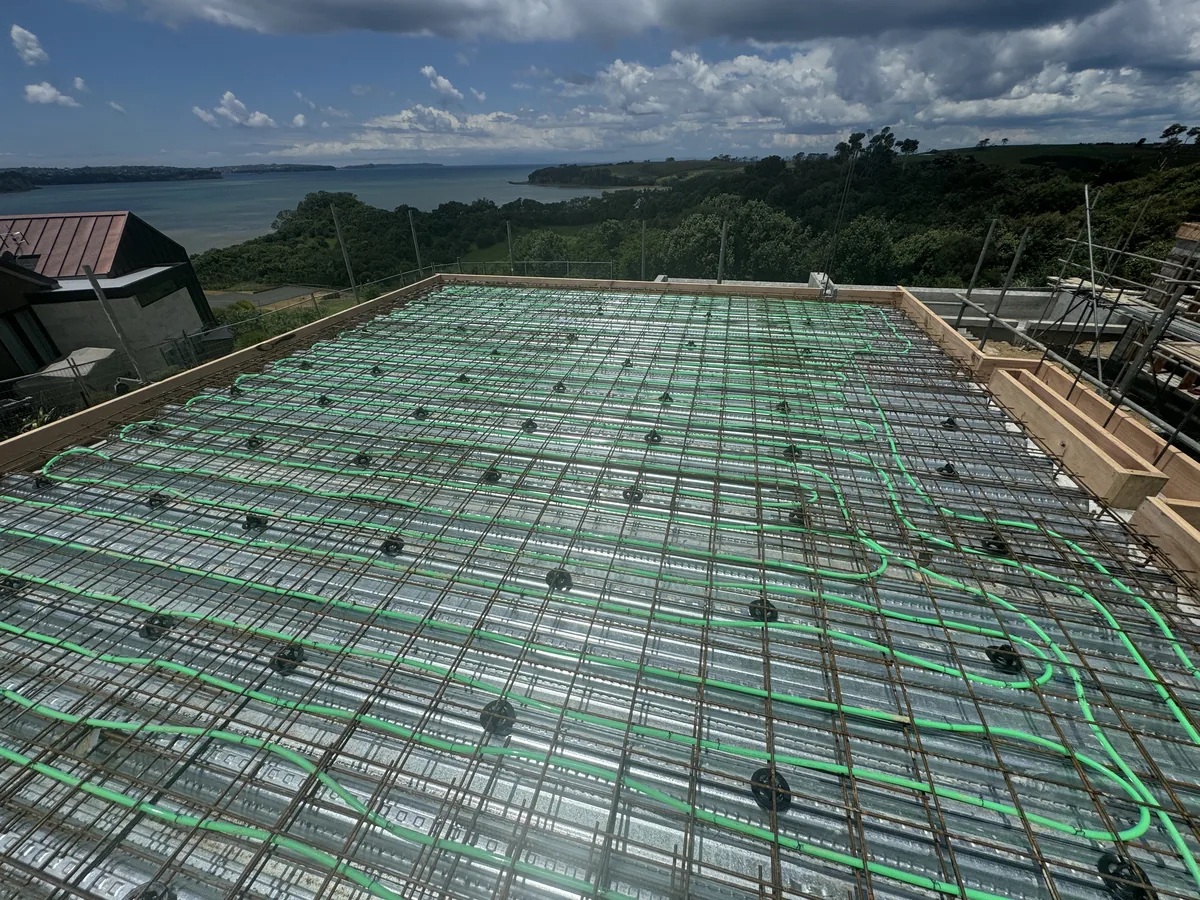
To the left is the loops tied down to the mesh . To the right is the concrete pour.
From plans to warm floors
The installation process

Design
We work off your plans: room-by-room loop layout, zones, and where the heat source and manifold live. You get a fixed quote from that drawing.
Pipe in slab
Loops are either tied to the mesh or stapled to the insulation (depending on our recommendation), set out and pressure-tested before the pour — and stay under pressure while the concrete gets poured.
Manifold
Every loop in the slab runs back to a manifold like this one. Recessed into the wall, a valve per zone, and a flow gauge on each circuit so the system can be balanced.
Controls
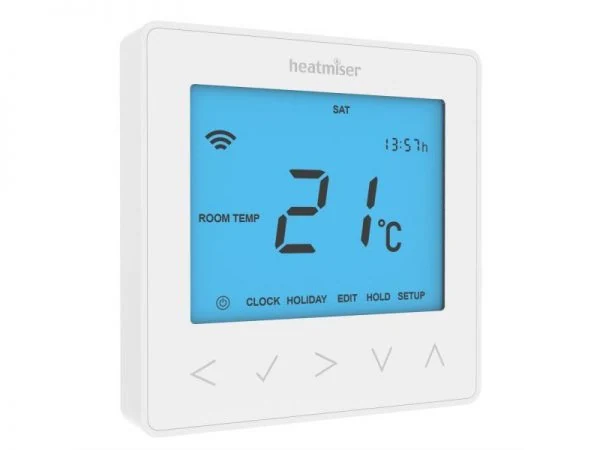
Each zone gets its own thermostat, the house can be controlled with one thermostat controlling all areas or we can add multiple thermostats eg bedrooms, living and bathrooms all run to their own schedule. We set the programmes up with you at handover.
Heat source
Heat pump or gas boilers options. Heatpumps can be fitted externally - often outside the Garage away from sight. Low flow temperatures are what keep the running cost down.

Handover & service
We balance the system, walk you through running it, and put you on our service database. We look after your system for life.
What it costs to run
Water temperature and efficiency
Underfloor heating needs water at a much lower temperature than a radiator, which lets a heat pump deliver several units of heat for every unit of power it uses.
Questions
Questions
Does underfloor heating work in an existing home?
Sometimes, and it depends entirely on your floors. A concrete slab going down as part of a renovation or extension is straightforward. An existing slab with no pipes in it is not — there we'd usually look at radiators on the same hydronic system instead. A site visit answers this in about ten minutes.
How warm does the floor get?
The surface sits at 22–26°C — warm rather than hot. A large surface at a mild temperature heats the whole room evenly.
Is it slow to heat up?
A slab holds a lot of heat, so it is not instant. Underfloor heating is designed to run steadily at a low temperature rather than be switched on and off like a fan heater. Once the schedule is set, the house stays at an even temperature.
What floor coverings can I use?
Tile, stone and polished concrete conduct heat well and are best suited. Engineered timber and most vinyls are fine when the manufacturer approves them for underfloor use. Thick carpet with a heavy underlay works but reduces heat output, so tell us early if that's the plan and we'll design around it.
Does it work with a heat pump?
Yes. Underfloor heating runs on relatively low water temperatures, which is where a heat pump is most efficient. Radiators need hotter water; floors don't.
Can I heat different rooms differently?
Yes. The manifold splits the flow into separate loops, and each zone gets its own control — so bedrooms can run cooler and on a different schedule to living areas. It's normal to zone a house this way.
What maintenance does it need?
Very little. The pipework in the slab is designed to outlast the rest of the system; the annual service is really about the heat pump or boiler, the pump and the controls. One visit a year keeps the warranty intact and catches small things early.
Can the same system heat my pool and hot water?
Yes — that's the way most of our systems are set up. One heat pump runs the floors through winter, your hot water all year, and the pool through summer. See the pool and hot water pages for how each of those is put together.
Free, no obligation
Request a quote
Send us your plans, or tell us about your house. We'll tell you what's possible, what it costs, and what we recommend.
Serving Auckland-wide — North Shore, Hibiscus Coast, Central, Eastern Bays, West Auckland, Waiheke, Omaha & Matakana.